

Understanding the psychology behind gambling What drives our choices
The Allure of Risk
The psychology behind gambling often hinges on the inherent allure of risk. Many individuals are drawn to the thrill of uncertainty, which stimulates the brain’s reward pathways. When engaging in gambling activities, the excitement of potentially winning can lead to a rush of adrenaline, creating a compelling urge to continue playing. This sensation can overshadow the logical assessment of the odds, encouraging individuals to chase losses or pursue ever-greater plinko stake.
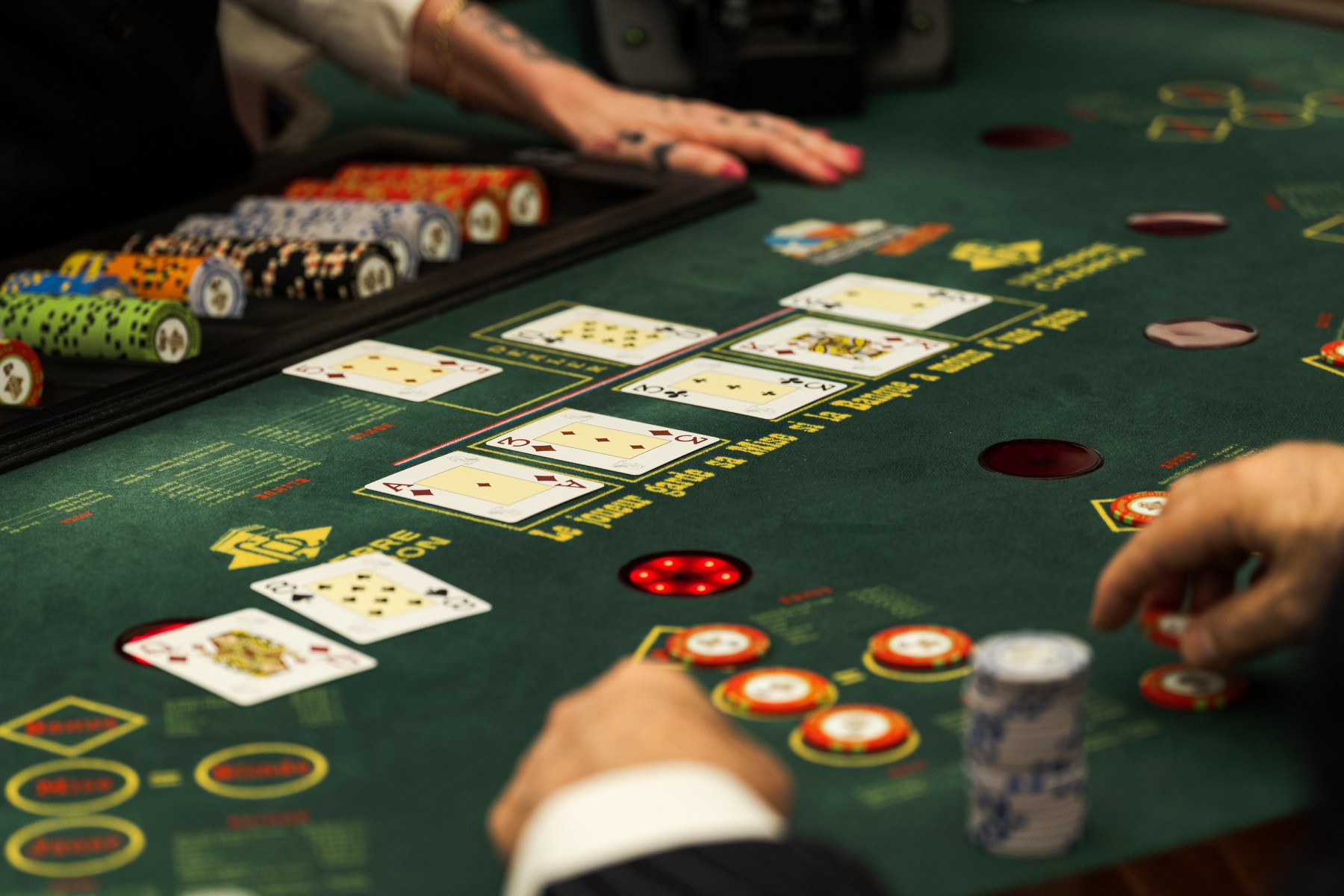
Moreover, risk-taking behavior is frequently linked to personality traits such as sensation-seeking. Those with higher levels of this trait are more likely to engage in activities that provide intense experiences, including gambling. This tendency can lead to a cycle where the thrill of risk becomes a primary motivator, often disregarding the financial consequences involved.
The Role of Cognitive Biases
Cognitive biases play a significant role in how people approach gambling. One prevalent bias is the illusion of control, where gamblers believe they can influence the outcome of games that are inherently random. This belief can stem from previous wins or personal strategies that seem effective, fueling the desire to continue gambling. As a result, individuals may underestimate the statistical reality of their chances, leading to poor decision-making.
Additionally, the confirmation bias can reinforce these misconceptions. Gamblers often focus on their successful bets while ignoring losses, which further perpetuates the illusion of control. This selective memory can create a skewed perception of skill and luck, compelling individuals to gamble more often than they might otherwise choose to do.
The Impact of Social Influences
Social dynamics also significantly influence gambling behaviors. Peer pressure and social norms can encourage individuals to engage in gambling, especially in group settings. This camaraderie can create an environment where the thrill of winning is magnified, leading to collective excitement and, often, collective risk-taking.
Moreover, gambling is frequently portrayed in popular culture, glamorizing the lifestyle and reinforcing the belief that gambling can lead to quick wealth. Such portrayals can sway individuals to view gambling as a socially acceptable form of entertainment, overlooking its potential risks. The social aspect can therefore enhance the overall appeal, making it more enticing for people to participate.
The Emotional Connection
The emotional components of gambling cannot be overlooked. Many individuals turn to gambling as a form of escapism, seeking to relieve stress or cope with personal challenges. The euphoric highs associated with winning can serve as a temporary escape from life’s difficulties, creating a strong emotional attachment to the activity.
Conversely, the emotional lows of losing can lead to desperation, often pushing individuals to gamble even more in hopes of recouping losses. This emotional rollercoaster can trap players in a cycle of highs and lows, making it difficult for them to recognize when it might be time to step back and reassess their gambling habits.
Explore Responsible Gaming
Understanding the psychology behind gambling is essential for fostering a responsible gaming environment. Many platforms today prioritize responsible gaming initiatives, providing resources and tools to help players make informed decisions. These include self-assessment tools, limits on deposits, and options for self-exclusion, all designed to promote healthier gambling habits.
Engaging with online gaming responsibly allows individuals to enjoy the thrill without falling prey to the risks associated with excessive gambling. Websites that offer informative resources empower players to recognize their motivations and emotions surrounding gambling, ultimately leading to a more positive and sustainable gaming experience.
| Follow us | |||||
|---|---|---|---|---|---|
 |
 |
 |
|||
 |
|
|---|---|
 |
|
 |
|
 |
|
 |
 |
 |
|
 |
|
Recent Posts

Exploring gambling through diverse cultural lenses || Read More
March 11, 2026
Kā kazino ir attīstījušies cauri gadsimtiem || Read More
March 11, 2026
Tarixdə kazino mədəniyyətinin inkişafı ilə bağlı maraqlı faktlar || Read More
March 11, 2026
Explorarea completă a jocurilor de noroc la ice fishing game || Read More
March 10, 2026
Şans mı, yoxsa bacarıq mı Kazinonun sirrləri açılır || Read More
March 10, 2026